
Trust and courage: two things needed for successful partnerships based on equality. At the 15th Basel Foundation Day, there was a general consensus that trust is central to a successful partnership. Differences emerged, however, when it came to putting this into practice.
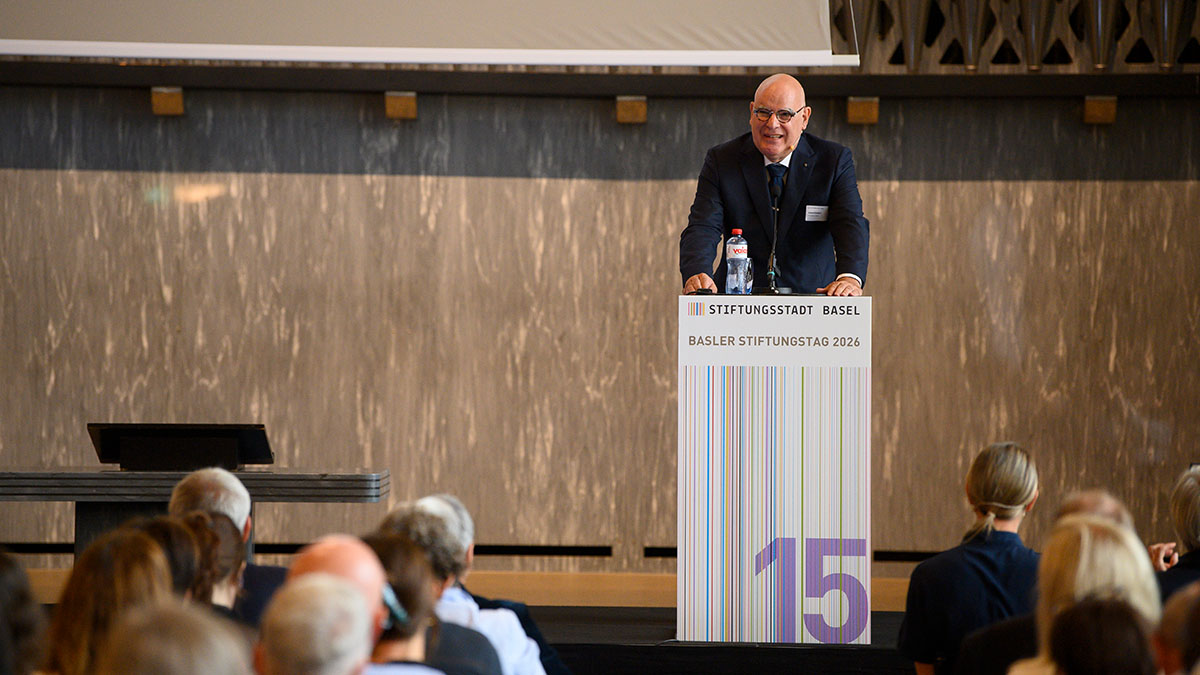
The foundation system is based almost entirely on trust. With this statement, Conradin Cramer, President of the Basel Cantonal Government, addressed the topic in his opening remarks—a theme that was repeatedly mentioned throughout the day. Trust. Establishing a foundation always involves a bet on the future—on what future generations will make of an idea that someone is setting in motion today. This requires the courage to put something into action and the confidence that the beneficiaries will use the funds wisely. But trust is also needed in the state and its framework conditions, Cramer said. The conditions for this are good in Switzerland and especially in Basel. Communication between the foundation sector and government agencies works well. And as a small city, Basel has another advantage: People know one another. Ultimately, interpersonal relationships are what matter most.
What Artificial Intelligence Cannot Do
It became clear time and again during the Foundation Day that this factor is far more than just a matter of networking in the foundation sector. Especially in an era when artificial intelligence can draft grant applications and interim reports, personal interaction is becoming increasingly important. The Louise Aubry-Kappeler Foundation therefore deliberately prioritizes personal interaction, as Foundation Board President Thomas Gander explained. The foundation requires applicants to submit self-produced, non-professional videos. Feedback sessions take place in face-to-face conversations. Trust isn’t built on paper alone. For Gander, this also involves an approach to funding that isn’t focused solely on projects. He advocated for more unrestricted funds and a move away from project-based funding. While this approach gives foundations the ability to request specific reports, At the same time, it forces organizations to devise projects just to have any chance at receiving funding.
Patricia von Falkenstein, a member of the board of the Martinskirche Foundation, also emphasized the importance of collective impact. She noted that the foundation could not achieve its goal on its own—nor is that the point. The impact of St. Martin’s Church arises only through the artists who exhibit their works there. A good funding partnership begins with a simple question: What do we want to achieve together? Raphael Suter, director of the Basel H. Geiger Cultural Foundation, described just how important personal relationships are, especially in cultural funding. For him, meeting artists in person is essential. And sometimes, he explained, a partnership is sealed with a simple handshake.
Eye level isn’t always symmetrical
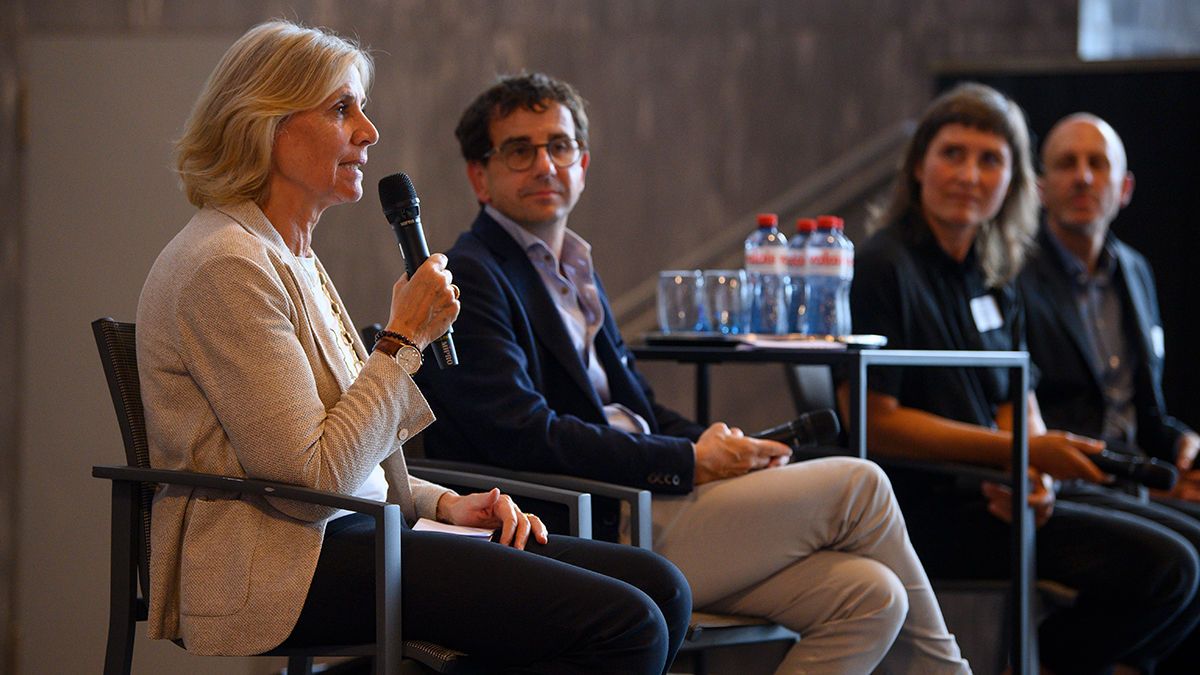
The tensions inherent in partnerships were particularly evident in cultural funding partnerships: The partners are dependent on one another, albeit not in the same way. Funding partnerships are structurally asymmetrical, emphasized Simone Staehelin, Head of Public Affairs & VIP Relations at the Basel Symphony Orchestra. The financial dependence is real. At the same time, funding organizations rely on those institutions that are actually capable of implementing their projects. A foundation cannot organize a concert on its own. Therefore, equality is not necessarily the most important factor for them. It’s about trust, according to Staehelin. This requires more courage: a greater focus on shared values and social impact.
Embracing New Perspectives
Annette Graul, Executive Director of the Palatin Foundation, also emphasized her gratitude—as a grant-making foundation—for every well-prepared application. After all, she explained, they rely on good projects being submitted to them. An initial phone call can help assess the prospects accurately and provide an important foundation. Furthermore, the foundation is not primarily looking for fully developed projects. Rather, it is interested in what can be developed collaboratively. A realistic assessment of one’s own resources is crucial in this regard, as the foundation needs partners who can implement a project over the long term.
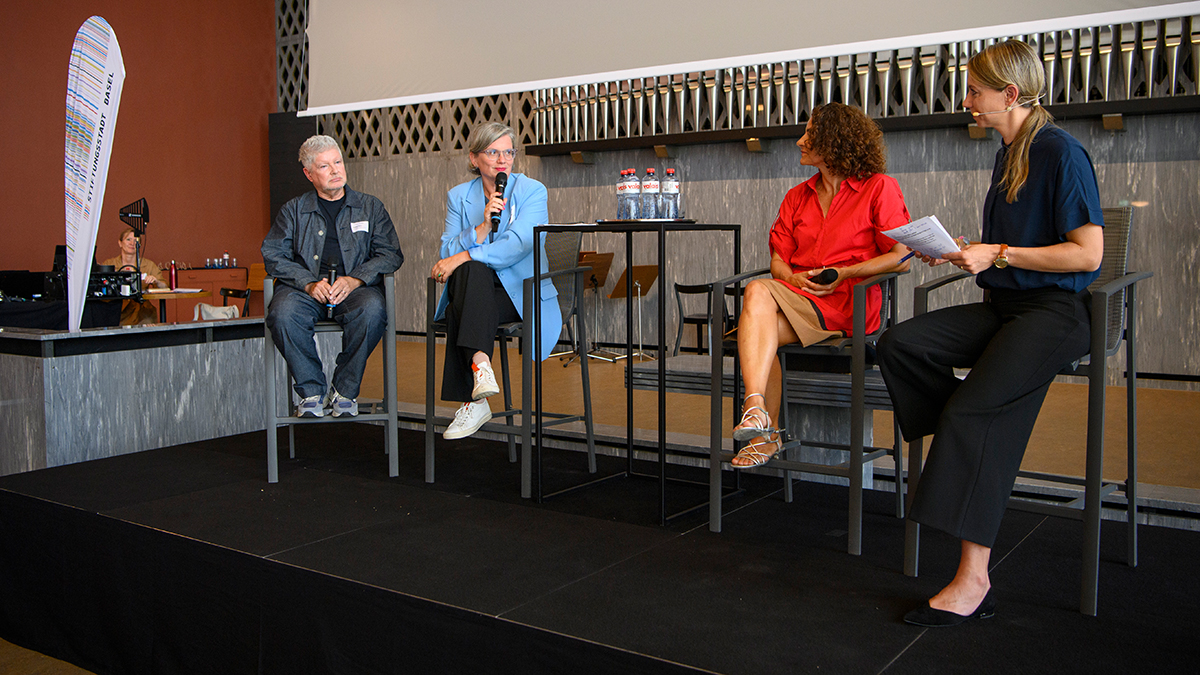
Marco Vencato, deputy director of the Gebert Rüf Foundation, offered another perspective. He focused on collaborations among multiple grant-making foundations. As an example, he cited the Innovation Fund for Multimedia Journalism, through which various foundations jointly support new journalistic formats. For such an alliance to work, he explained, it requires a shared funding goal, complementary contributions, and a clear division of roles. Partnership, therefore, does not mean doing everything together. Trust is also essential even among multiple funding organizations.
The importance of new perspectives and broadening one’s horizons was already evident in the first presentation of the Foundation Day. Host Lukas Kundert, president of the Church Council of the Evangelical Reformed Church of Basel-Stadt, spoke about the church’s financial and strategic turnaround. Faced with declining church tax revenues due to falling membership numbers, they did not simply cut services. Instead, they tapped into new sources of funding and critically re-examined their target audiences. This process revealed that, for a long time, the church had reached only a relatively small portion of the people it was actually meant to serve.
All the variety in just a few minutes
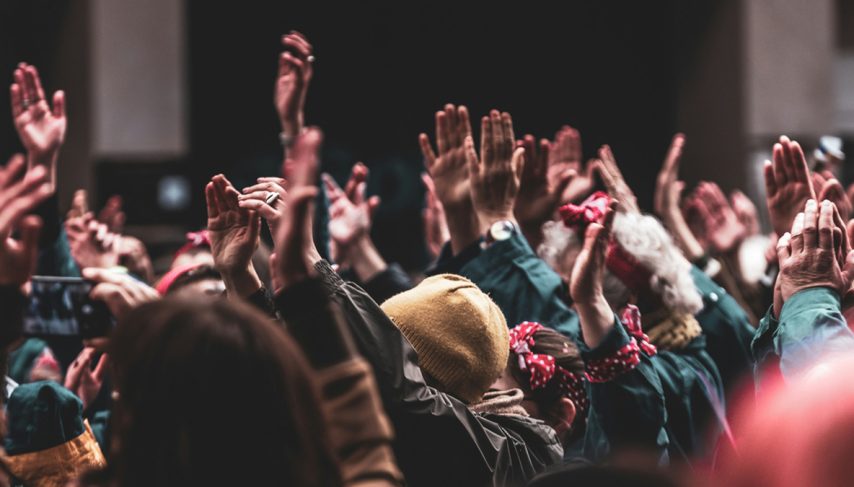
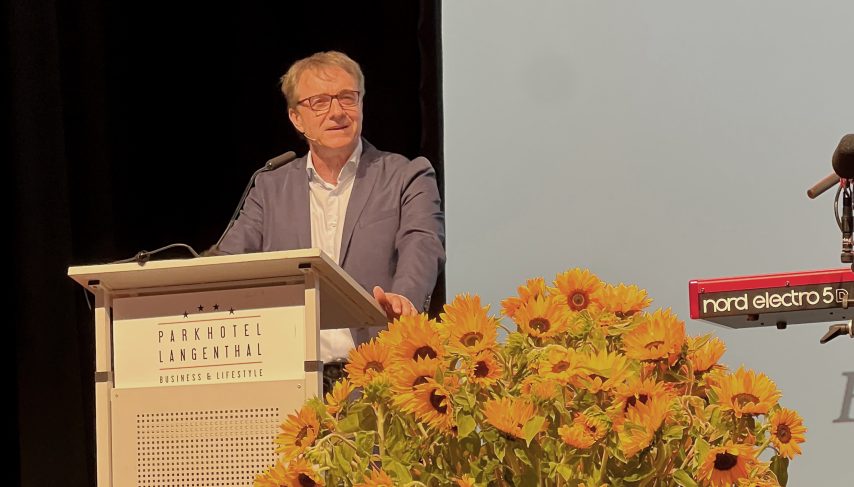
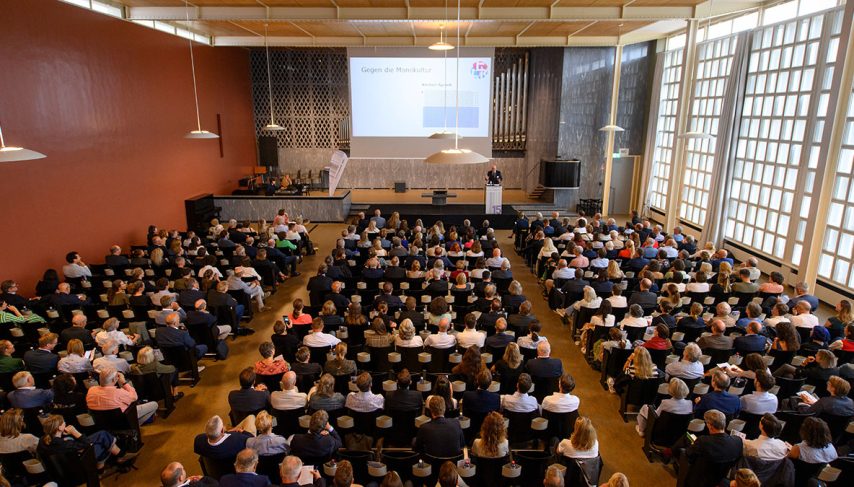
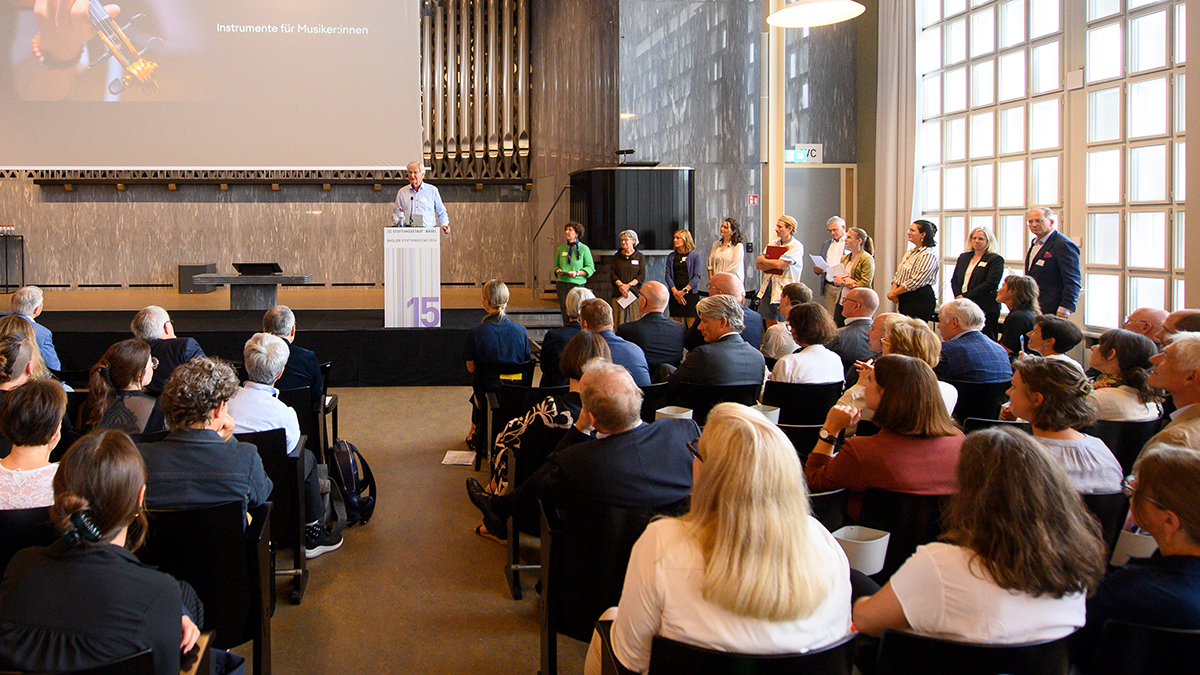
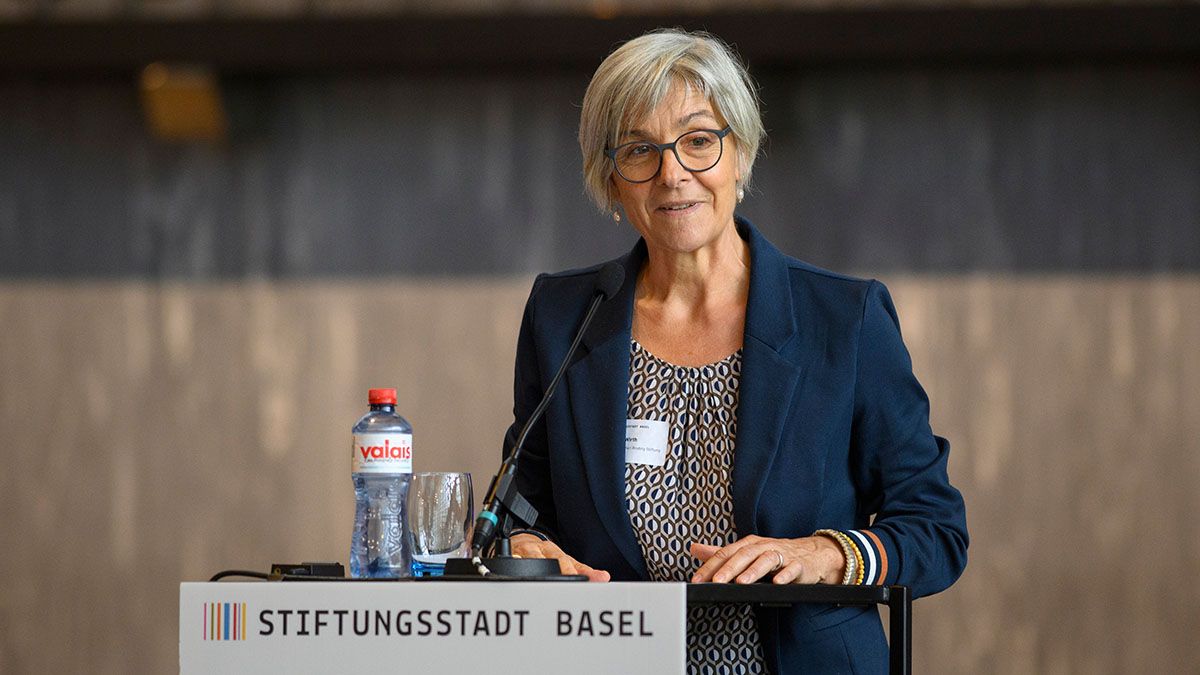
About 360 representatives from the foundation community gathered at the Johannes Center. Demand was even greater. Some interested parties had to be turned away due to the venue’s capacity. Monika Wirth, Vice President of Stiftungsstadt Basel, opened the event. She welcomed the guests, while David Jenny, the new president of Stiftungsstadt Basel, delivered the closing remarks. As he does every year, he succinctly summarized the event in his characteristic style. Just as traditional as the closing remarks is the speed dating session. Ten foundations introduced themselves with short pitches on stage. The format showcased the diversity of the sector in just a few minutes. This year, the spectrum ranged from established organizations like myclimate to DentAgeCare, which was founded just over a year ago.
One insight ran through the entire day: Partnership on an equal footing cannot be mandated. It arises when foundations are willing to delegate responsibility, place their trust in organizations, and think beyond their own perspectives together. The 16th Basel Foundation Day will take place on Tuesday, August 31, 2027, at the Kunsthaus Baselland.