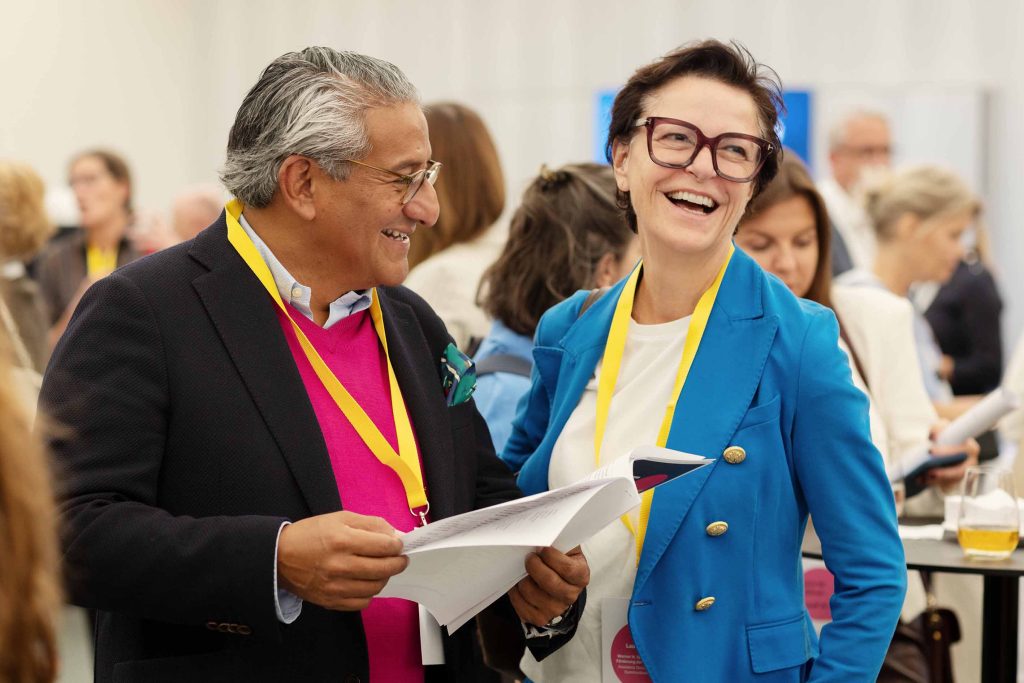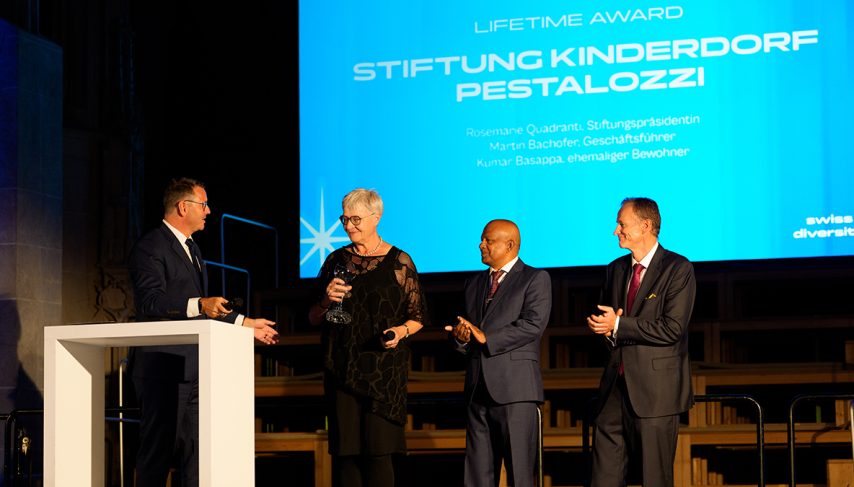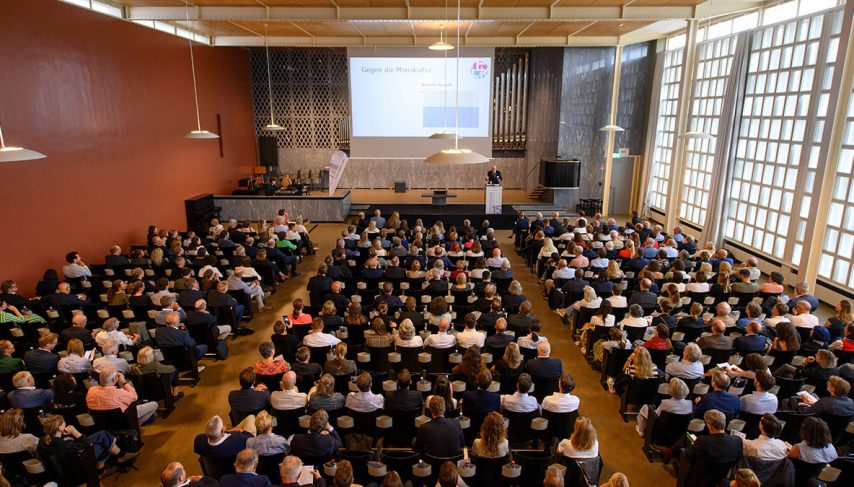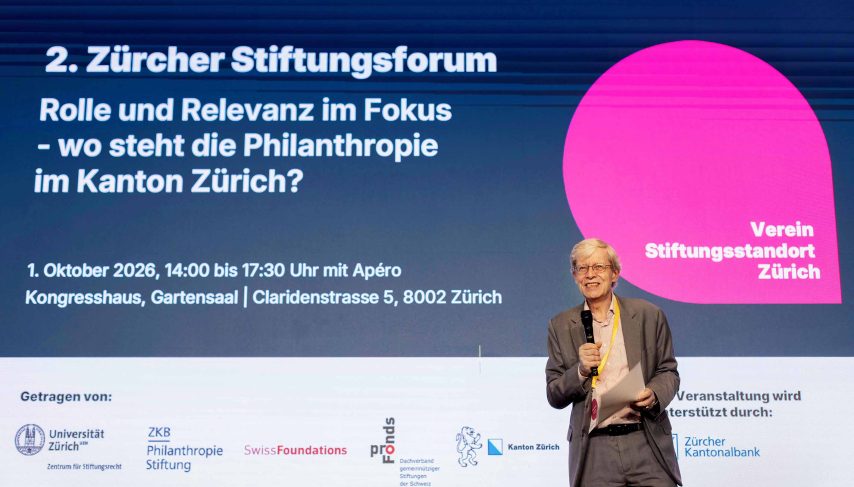
On October 1, European Foundations Day, well over 300 participants gathered at the Zurich Kongresshaus at the invitation of the association “Stiftungsstandort Zürich” to network, discuss solutions, reflect on their own actions, and evaluate their impact. One key topic was development cooperation.
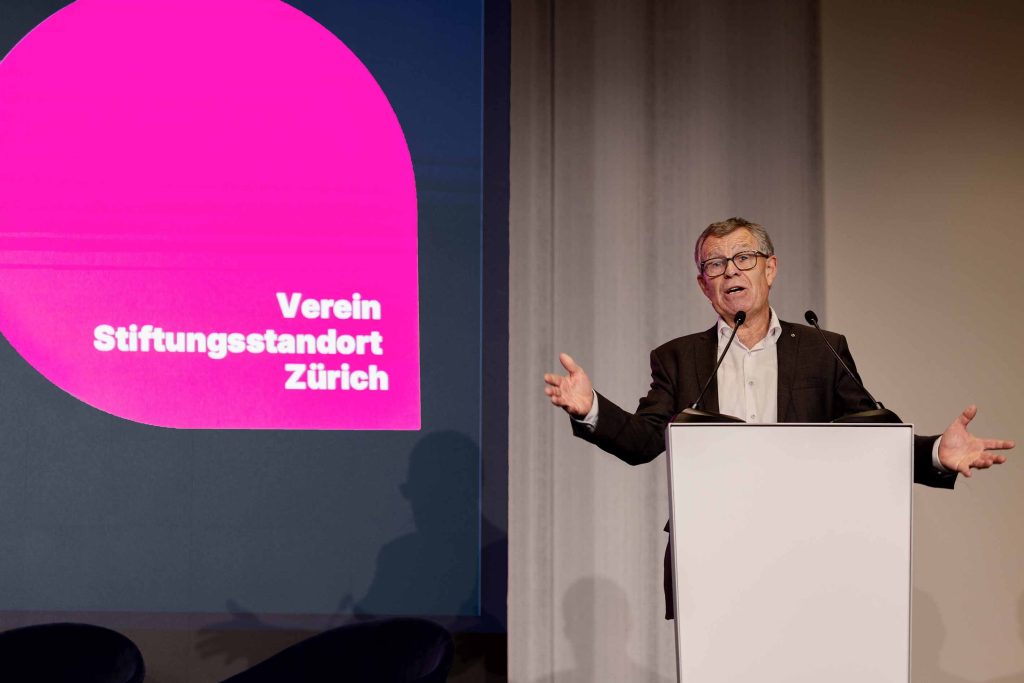
Ernst Stocker, Head of the Finance Department of the Government Council of the Canton of Zurich, delivered the opening remarks and expressed his admiration for the enthusiastic response. Stocker emphasized that he values direct dialogue with foundation representatives. He reaffirmed his conviction that philanthropy is a driver of innovation and that private support for institutions is very welcome. Stocker emphasized that trust forms the foundation for both foundations and the state, and that a fundamental principle applies: Private individuals may do anything that is not prohibited, while the state may only do what is expressly permitted.
Science and Development Cooperation
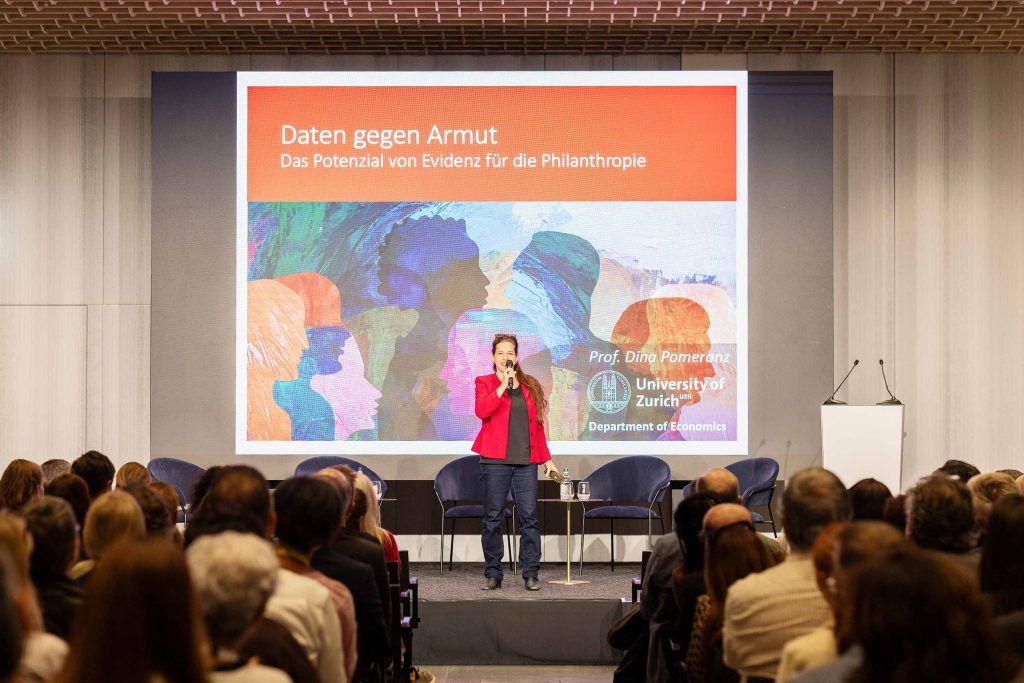
In her keynote address, Assistant Professor Dina Pomeranz bridged the gap between academia and practical development cooperation. She noted that researchers conduct studies, while organizations implement programs. Traditionally, these fields have operated in isolation, leading to valuable but untapped insights. Collaboration combines academic expertise with real-world challenges, thereby laying the groundwork for evidence-based change. Today, according to Pomeranz, digitalization makes it possible to process massive amounts of data. In addition, revolutionary measurement methods such as randomized controlled trials provide genuine evidence of causal effects. She mentioned the project Teaching at the Right Level, which is already helping more than 60 million children today. Such successes result from a deliberate partnership between research, implementation, and funding. The mutual benefits are tangible, but investment is needed in rigorously evaluated, locally rooted solutions to such global challenges.
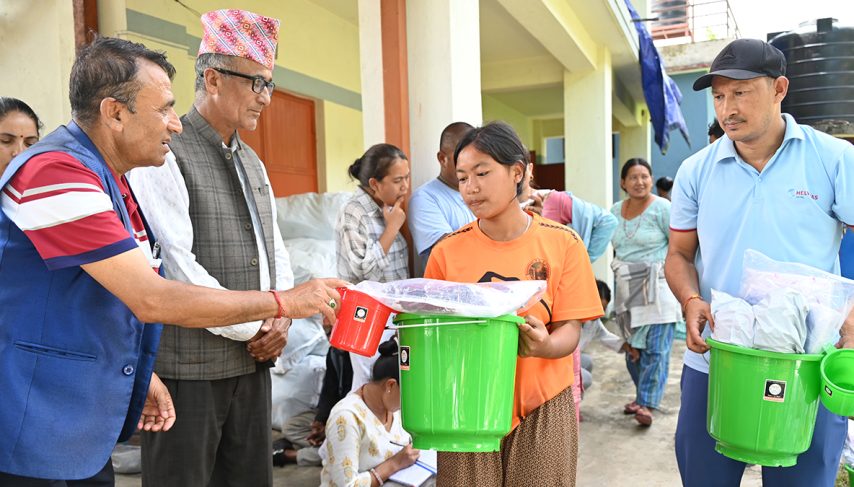
A workshop on international cooperation (IZA) took an in-depth look at how foundations and NGOs can respond to global cuts in public funding for development cooperation.
Four Perspectives on Philanthropy in the Canton of Zurich
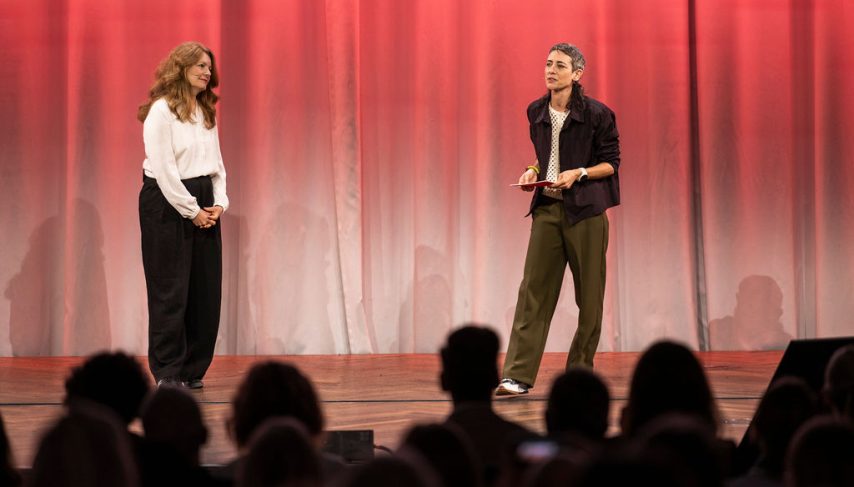
The panel discussion brought together four perspectives on philanthropy in the Canton of Zurich. Moderator Kathrin Hönegger, a presenter and journalist at SRF, led the discussion between Ernst Stocker, a member of the cantonal government and head of the Department of Finance; Beate Eckhardt, a member of the board of trustees at the ZKB Philanthropy Foundation; Simon Sommer, CEO of the Jacobs Foundation; and Friederike Rass, former Executive Director of Sozialwerk Pfarrer Sieber.
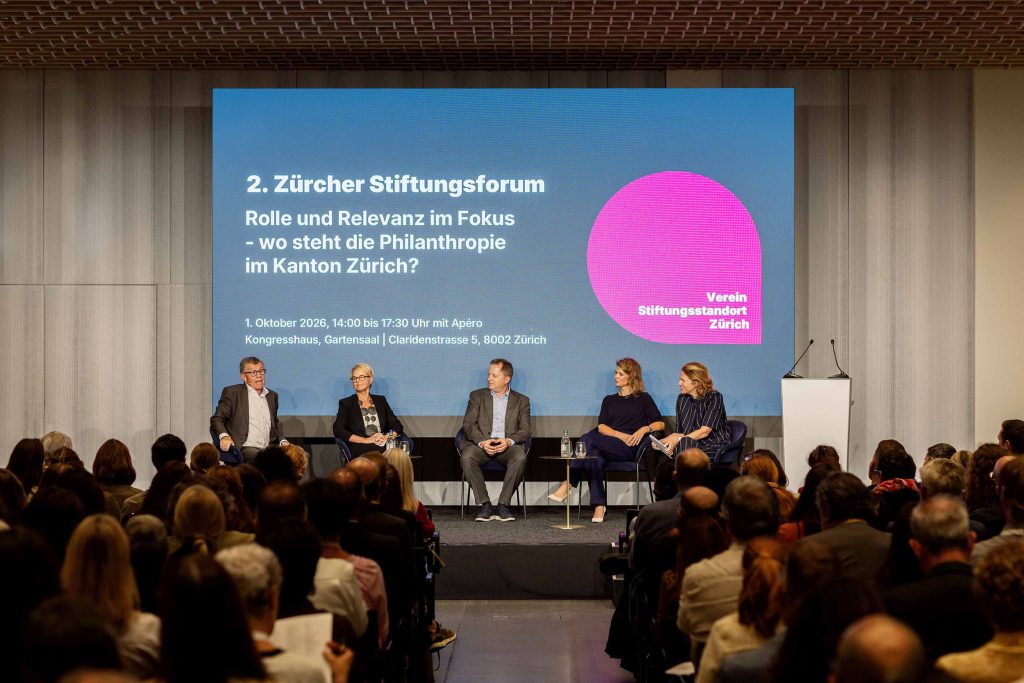
There was agreement that the framework conditions for the foundation sector have improved. At the same time, however, it was also noted that there is still a significant need for action. Beate Eckhardt pointed out that many other cantons take a more liberal approach to business support models, which gives them an advantage in the competition among business locations. She called for even clearer and more liberal framework conditions. Stocker countered that they should adopt a more pragmatic approach and not get stuck on the first rejection, but rather work through the issues together. In doing so, he emphasized that equal treatment is important, regardless of a foundation’s size. According to Stocker, the Canton of Zurich is more exposed than other cantons. He added that if something goes wrong, people are quick to ask why the canton allowed it to happen. The panelists agreed that foundations today must demonstrate transparency regarding how they use their funds. However, they also warned against overemphasizing impact measurement: relationships and trust are difficult to quantify, but crucial. Rass sees collaboration as the key to creating value. She advocated, however, for clear niches and a division of labor to reduce administrative burdens.
In summary: Do good and talk about it. Foundations should communicate more about what they do. Eckhardt called for greater public awareness and more honest communication—not just pictures of smiling children in the Global South. Everyone emphasized that coordinated action and mutual trust are essential.