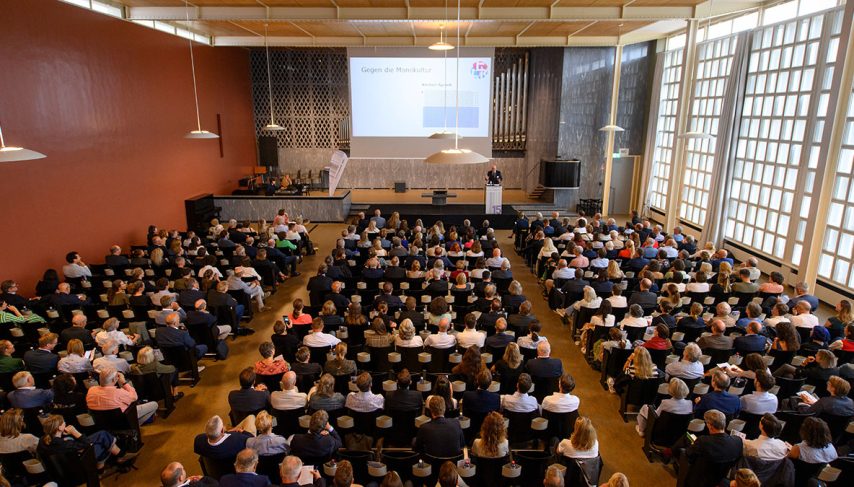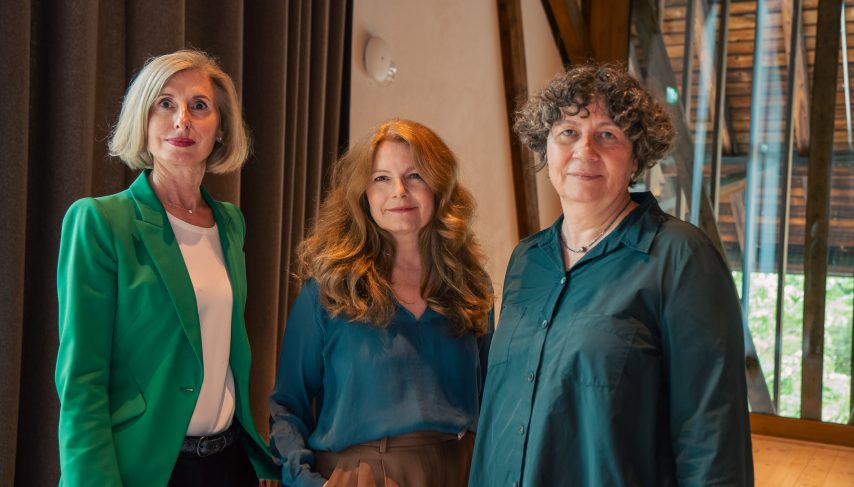

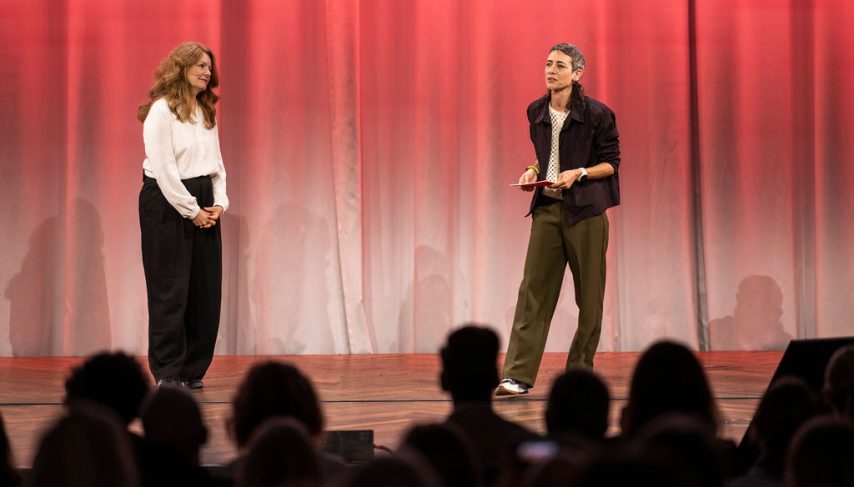
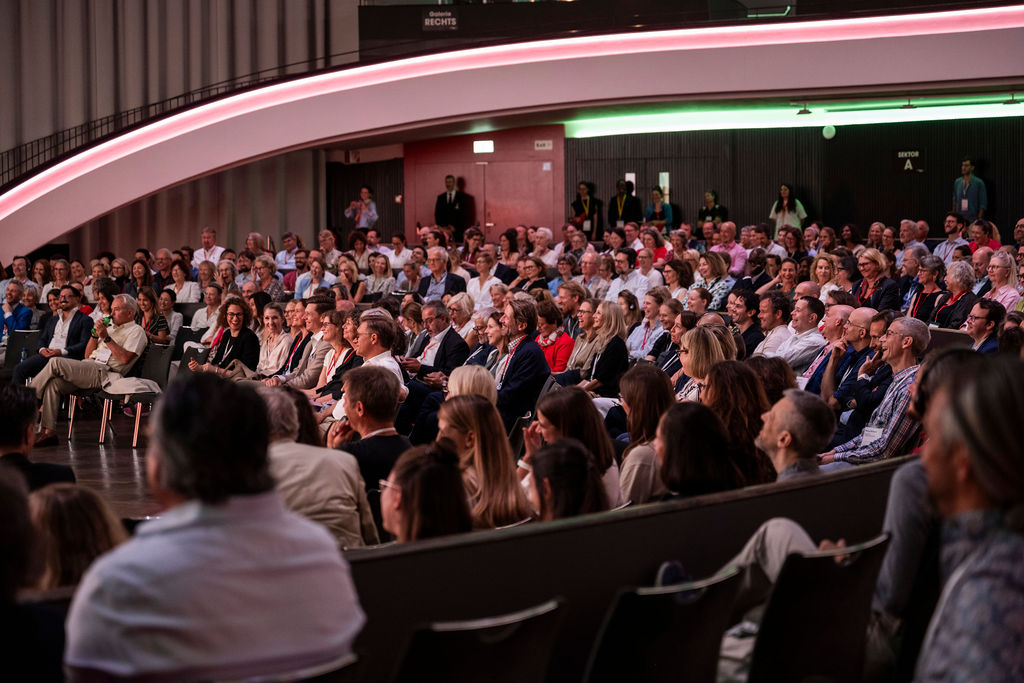
Under the motto “And Action!,” the Swiss philanthropy community gathered in Bern for the 25th Swiss Foundation Symposium organized by SwissFoundations. The theme sets the tone for an event focused not on further debate, but on concrete change. With a diverse agenda, Janine Händel, President of SwissFoundations, and Jasmina Ritz, Executive Director of SwissFoundations, encouraged participants to get involved, contribute their ideas, and engage in dialogue.
Today, in an era of unprecedented digital acceleration and social polarization, the central question takes on new significance, according to Händel: not “how do we feel about this?” but “what are we doing?” SwissFoundations thus positions itself as a creator of solutions in a world that is changing faster than ever before. And it calls on its members to take a closer look and take action.
Moral Imagination: The Missing Foundation
The greatest obstacle to positive change is not a lack of resources, but rather the imagination needed to envision how to act. Phoebe Tickell, founder and director of Moral Imagination, opens her presentation with this thesis. In her keynote address, “Moral Imagination: The Missing Infrastructure,” she places the concept of morality at the center—a term that could well provoke unease in German-speaking countries. The word “morality” is sometimes associated with paternalism and ideological narrow-mindedness. But Tickell means something else: she speaks of the ability to imagine a world not just for one’s own children, but for everyone. She references traditional activism, which looks back, makes concessions, and says “no” to what is broken. This kind of activism is still needed. But now we also need a new form of activism that can turn its attention to “what might be possible.” In this context, imagination should not simply be a “nice-to-have” alongside day-to-day work. It is the infrastructure upon which real change is built. Olivia Schär spoke with Phoebe Tickell in the run-up to Swiss Foundation Day.
AI and Ethics: Uncomfortable Questions
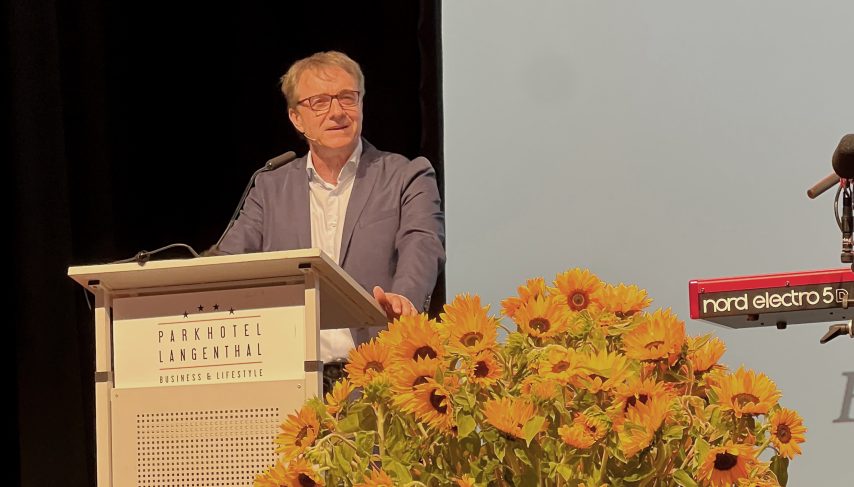
Another highlight of the symposium was the presentation on artificial intelligence and ethical responsibility. Given the ongoing discussions about so-called “recursive self-improvement” (RSI) in AI, the presentation could not have been more timely. Professor Peter G. Kirchschläger from the University of Lucerne posed some uncomfortable questions: Who is actually responsible for the systems being developed? And can a society simply ignore ethical questions while technology continues to advance?
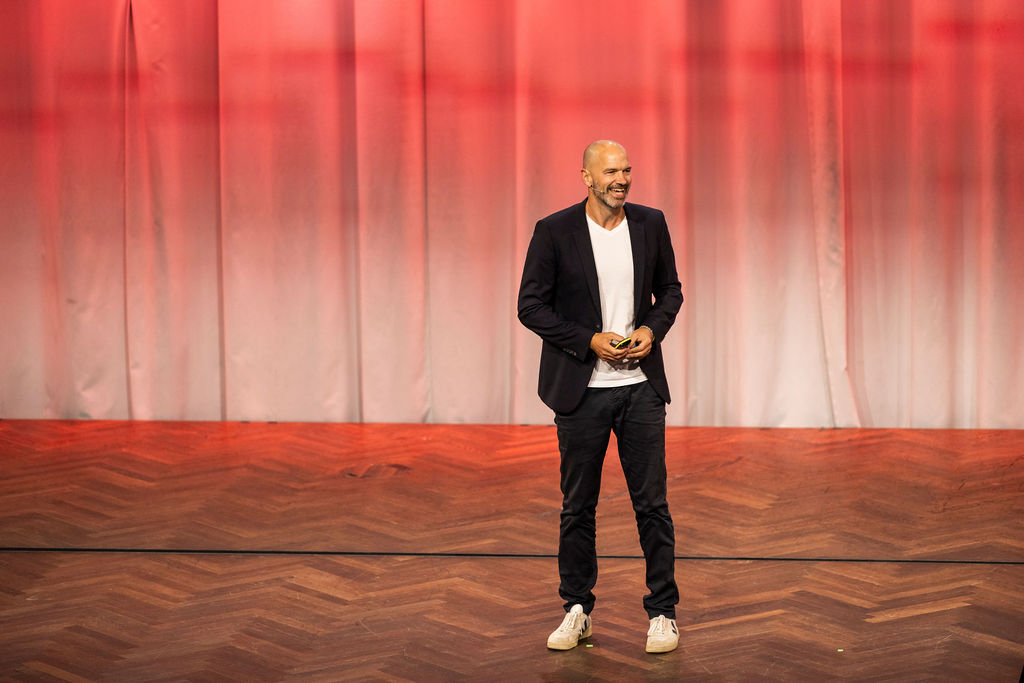
Kirchschläger explains that the term “artificial intelligence” is misleading. The systems themselves are not intelligent; they merely process large amounts of data using enormous computing power—nothing more. He illustrates this point with the example of a nursing robot: Whether it comforts a patient or slaps them in the face makes no difference to it, the professor explains; it carries out both instructions with equal diligence. His analysis was particularly critical of already evident real-world harms, such as massive energy consumption, the extraction of raw materials involving child labor and slavery, and the unprecedented manipulation through data and disinformation.
Kirchschläger therefore proposes a human rights-based, global regulatory framework with an International Agency for Data-Driven Systems (IDA), modeled after the International Atomic Energy Agency (IAEA). His tone was both critical and constructive. According to Kirchschläger, cooperation is needed between experts, ethicists, and civil society. He considers the hope that market forces will enforce ethical standards on their own to be illusory. And he calls on foundations to use their voice to engage in the political discourse. A glimmer of hope emerges when Kirchschläger mentions that UN Secretary-General António Guterres, Pope Francis, the Dalai Lama, OpenAI founder Sam Altman, and the Gates Foundation already support these proposals and that a growing international network is working on them.
Networking as a Catalyst
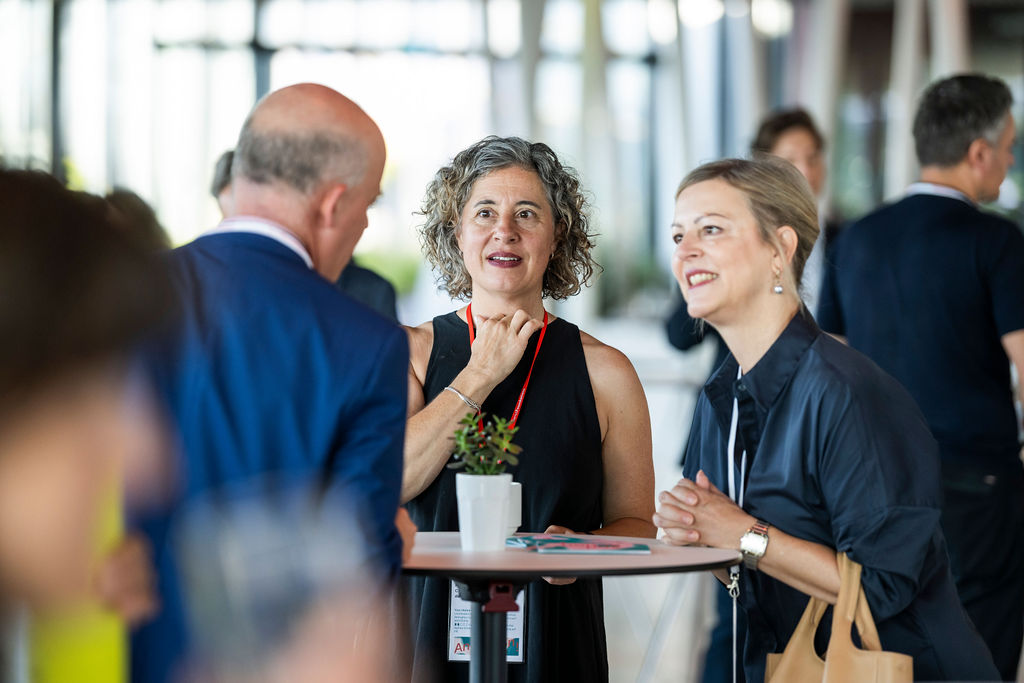
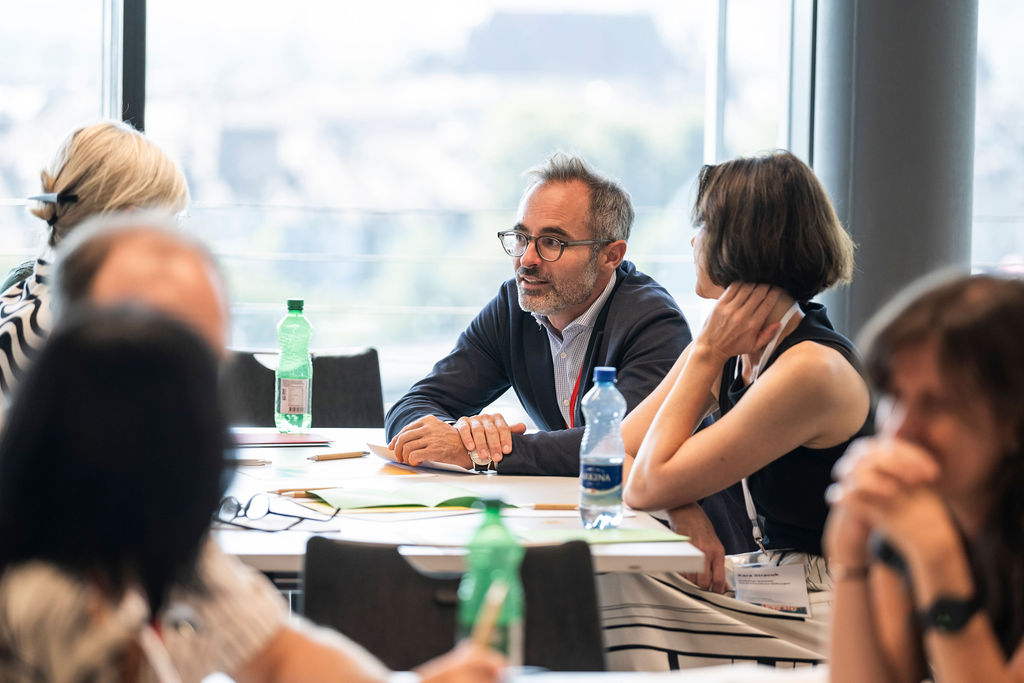
The Swiss Foundation Symposium at the Kursaal in Bern served not only as a venue for keynote speeches but also as a place for exchange. Numerous workshops and extended breaks allowed participants to delve more deeply into specific topics and forge new connections.
The conference concluded with the “Sternstunde Philanthropie” event, featuring informative presentations by Professor Petra Schleiter of the University of Oxford and Flurina Wäspi of the Mercator Switzerland Foundation. Schleiter spoke about the rise of autocracies worldwide and emphasized that this trend is accelerating. Wäspi, for her part, stressed that Swiss democracy is still in good shape. However, she pointed out the lack of media coverage in more rural areas of Switzerland, which she noted is very problematic for the formation of public opinion in a democracy. The panel also explored the question of how foundations, as private actors, can operate with democratic legitimacy and achieve impact when political processes are at a standstill. The answer may lie in complementing political systems. “The world is out of joint,” as Shakespeare’s Hamlet is fond of saying. Foundations can take action by creating spaces—quickly and easily—where listening, trust, and genuine dialogue become possible. The theme of the “And Action!” conference centers on human dynamics—trust, roles, power dynamics, and diverse perspectives. These are the necessary conditions for the collective imagination that makes change possible.


Perhaps the existing concepts of participatory philanthropy need to be further developed, moving away from a purely project-based approach toward long-term funding models, and perhaps something like “moral imagination” is also needed. Certainly, the sector needs the courage not just to treat the symptoms, but to envision new possibilities—or as Professor Petra Schleiter urged the audience in her closing remarks: “Use your capital, and use it now!”
“And Action!”
Images: Courtesy of SwissFoundations